
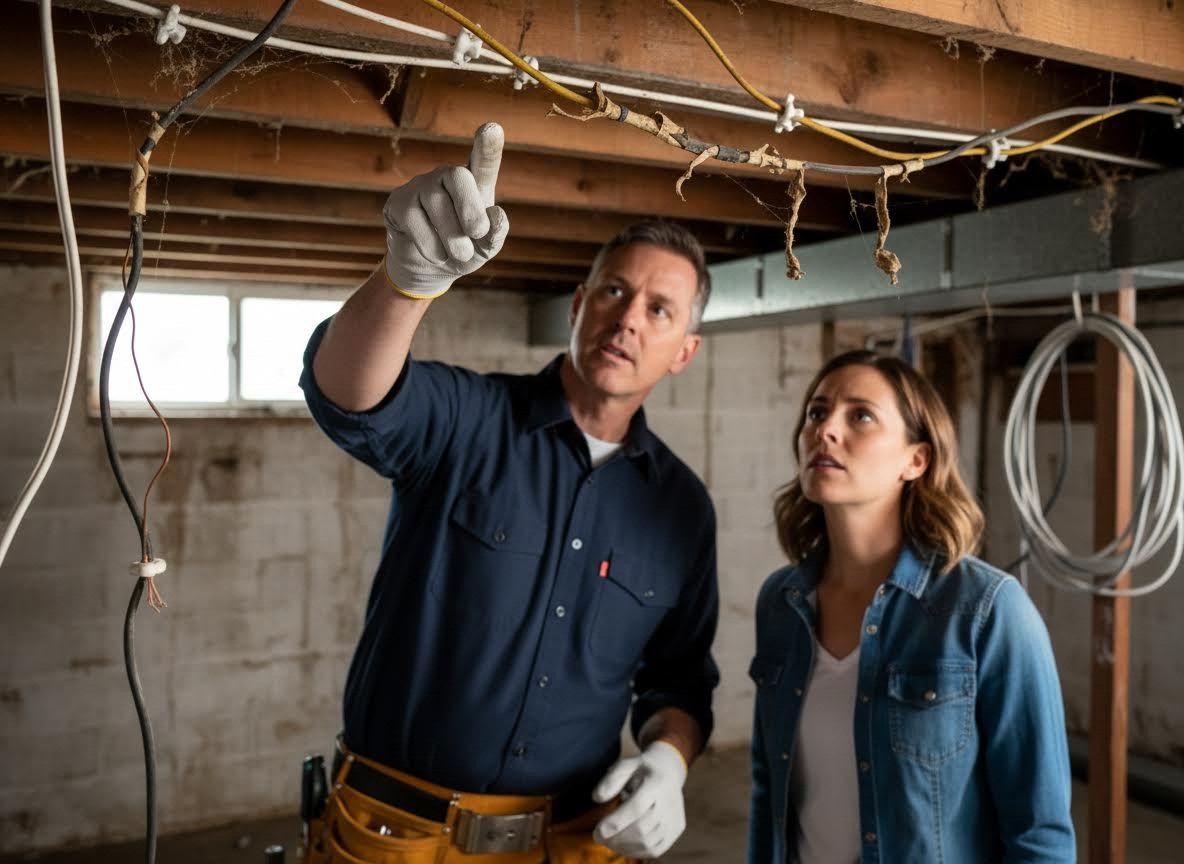
Many homes in Western Massachusetts, particularly those built before the 1950s, might still contain a type of wiring known as knob-and-tube. While revolutionary in its time, this antique electrical system poses significant risks in modern homes. Understanding these potential dangers is crucial for ensuring the safety and reliability of your home's electrical infrastructure, and AJC Electric is here to help homeowners navigate these concerns.
Understanding Knob-and-Tube Wiring
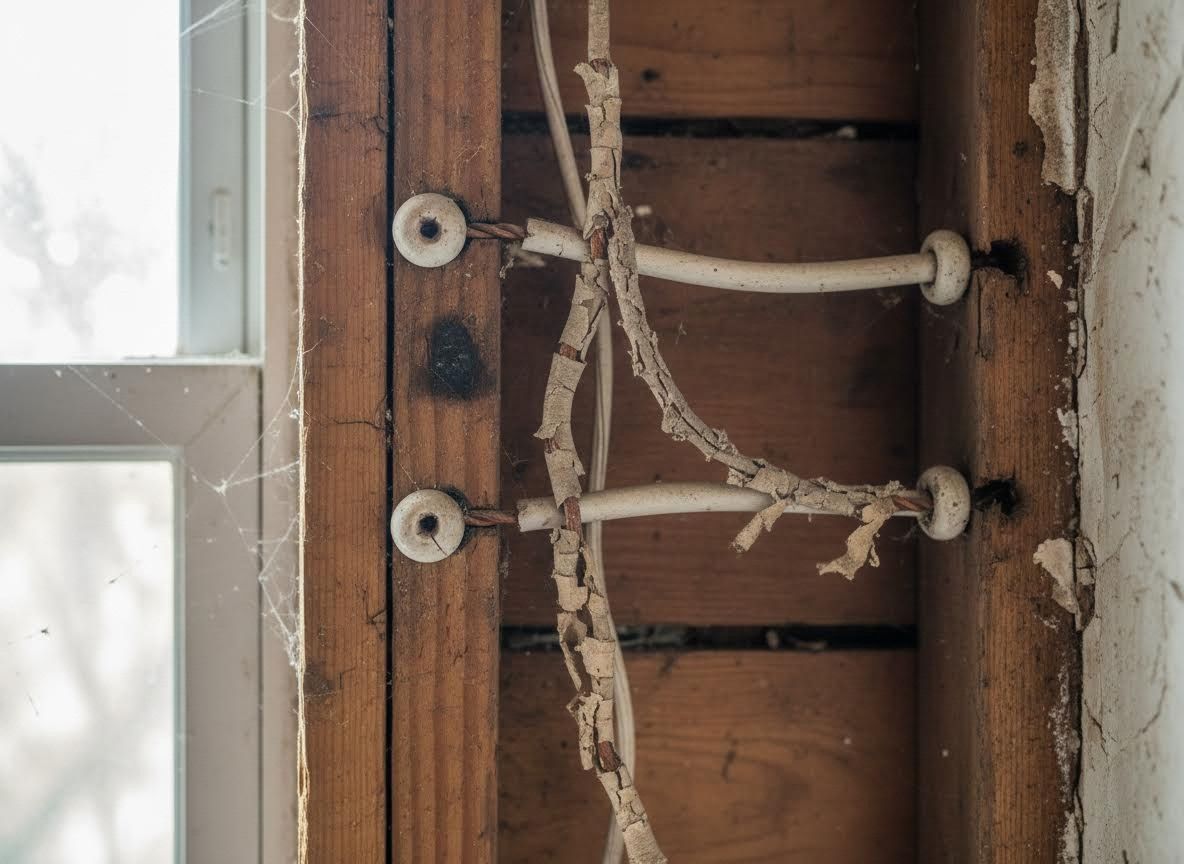
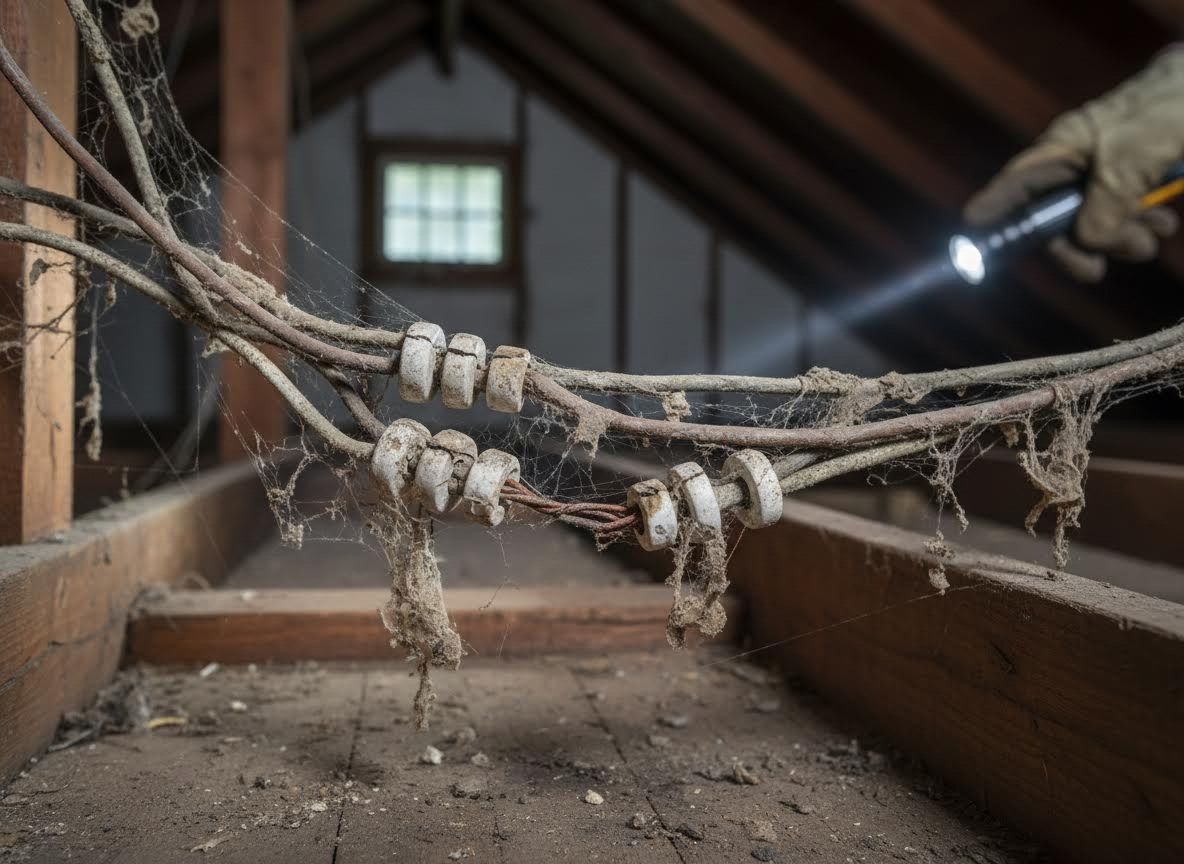
Knob-and-tube wiring was an early standardized method of electrical wiring that was common from the 1880s to the 1930s. It consists of single-conductor copper wires run individually through porcelain insulating tubes when passing through wood framing members, and supported by porcelain knobs when run along joists or studs. Unlike modern wiring, which is typically encased in non-metallic sheathing and includes a ground wire, knob-and-tube systems lack a grounding conductor and often have a rubberized cloth insulation that can degrade over time.
Why Knob-and-Tube Wiring is a Modern Hazard
The inherent design and age of knob-and-tube wiring contribute to several serious safety concerns. Firstly, the original insulation, often rubber or cloth, becomes brittle and cracks over decades, exposing bare conductors which can lead to arcing, short circuits, and fire hazards. Secondly, the lack of a ground wire in these systems means that if a fault occurs, there is no direct path for excess electricity to safely dissipate, increasing the risk of electrical shock and damage to appliances. Modern electrical demands, with numerous high-power appliances and electronics, often exceed the capacity of these older systems, leading to overheating of wires, especially if the original circuits have been improperly extended or overloaded.
Identifying and Addressing the Issue
Identifying knob-and-tube wiring typically requires a professional inspection by a qualified residential electrician, especially if you live in an older home. While you might spot ceramic knobs or tubes in unfinished basements, attics, or crawl spaces, a thorough assessment is needed to understand the full extent of its presence and condition throughout your home. Due to the significant risks associated with this outdated wiring, simply patching or adding to it is not a safe long-term solution. When issues arise, or for proactive safety measures, seeking expert advice from a reputable electrical company is paramount.
Upgrading for Enhanced Safety and Efficiency
For homes with knob-and-tube wiring, the safest and most recommended solution is a complete electrical panel upgrade and rewiring. This involves replacing the old system with modern, grounded wiring, installing new receptacles, and often upgrading the electrical panel to accommodate contemporary power needs. This not only eliminates fire and shock hazards but also enhances your home's overall electrical capacity and efficiency, protecting your valuable electronics and providing peace of mind. A comprehensive upgrade ensures your home meets current electrical codes and provides a robust foundation for future electrical demands, avoiding the need for emergency electrical repair.
Ensuring your home's electrical system is safe and up to current standards is an investment in your peace of mind and property value. The potential dangers of knob-and-tube wiring are real, but with the right professional guidance, they are entirely manageable. For homeowners in Western Massachusetts, AJC Electric is committed to providing reliable, expert solutions to upgrade your electrical infrastructure. We encourage you to learn more about residential electrical safety and consider a professional electrical inspection if you suspect your home has knob-and-tube wiring.