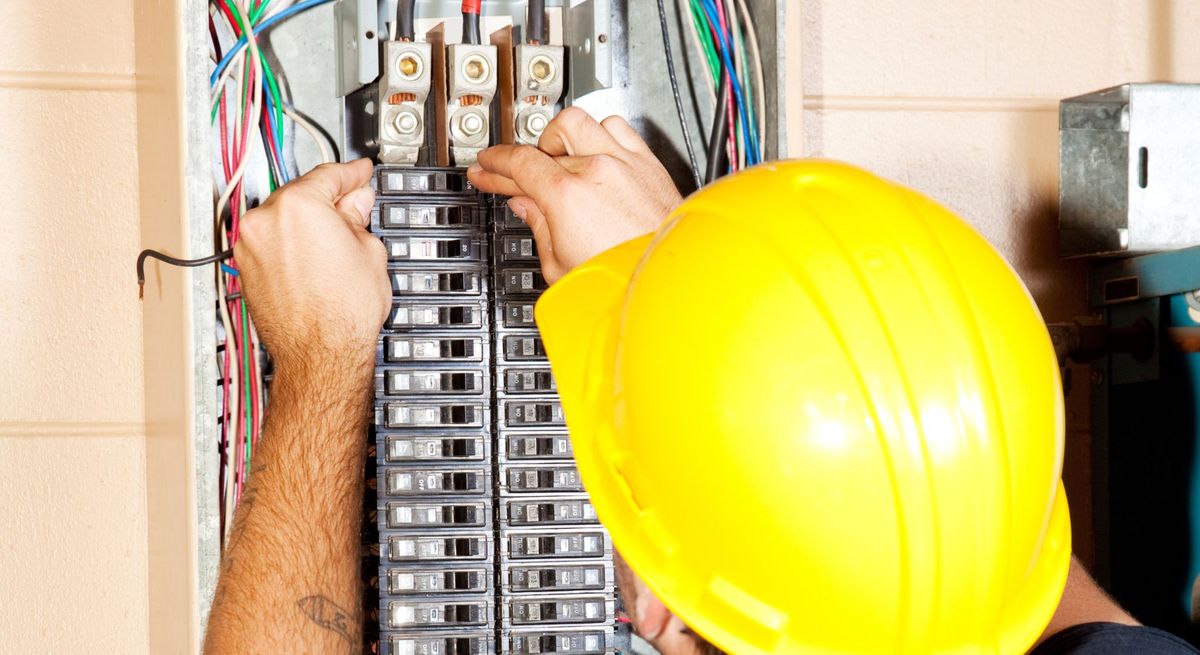
Ensuring the safety and efficiency of your home or business's electrical system is paramount, and often, the unsung hero of this system is your electrical panel. This central hub distributes power throughout your property, making its proper function critical. Ignoring warning signs can lead to serious hazards, from appliance damage to fire risks. At AJC Electric, we believe in empowering our community with the knowledge to identify potential issues early, helping you maintain a secure and reliable power supply.
Frequent Breaker Trips and Flickering Lights
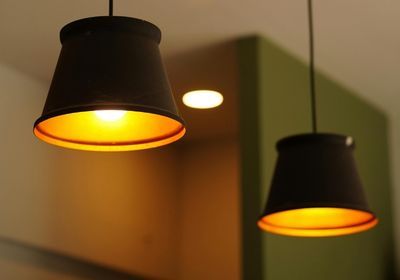
One of the most common indicators that your electrical panel might be struggling is frequent circuit breaker trips. While an occasional trip is normal, especially with a power surge, constant tripping signals that your panel is overloaded or experiencing a fault. This means it's unable to handle the electrical demand, which can be due to an increasing number of modern appliances drawing more power than older systems were designed for. Similarly, flickering or dimming lights, particularly when multiple appliances are running, suggest an inconsistent power supply, a problem often originating from a strained electrical panel. These are not just inconveniences; they are clear signs that your system is under stress and could benefit from assessment by a qualified residential electrician.
Burning Smells, Buzzing Sounds, and Warm Panels
More serious red flags that demand immediate attention include burning smells coming from the electrical panel itself or outlets, unusual buzzing or cracking sounds, and panels that feel warm to the touch. A burning smell often indicates overheated wires or components, which is a significant fire hazard. Buzzing sounds can point to loose connections or faulty wiring within the panel. A warm panel suggests that the internal components are working harder than they should, leading to excessive heat generation. If you notice any of these alarming signs, it's crucial to contact an expert immediately. Addressing these issues can prevent dangerous failures and often points towards the need for an electrical panel upgrade to ensure the safety and capacity of your system for both homes and businesses, requiring the expertise of a residential electrician or a commercial electrician.
Outdated Equipment and Renovation Needs
Older homes and buildings often feature outdated electrical panels that simply aren't equipped to handle today's electrical demands. Fuse boxes, for instance, are a clear indication of an antiquated system that should be replaced for safety and functionality. Even breaker panels from several decades ago might lack the capacity or safety features of modern units. If you're undertaking a significant renovation, adding major new appliances, or experiencing a general increase in power consumption, your current panel might be inadequate. Proactive consideration of an electrical panel upgrade during these times can prevent future problems and ensure your electrical system can support your lifestyle or business operations safely and efficiently.
The Importance of Professional Intervention
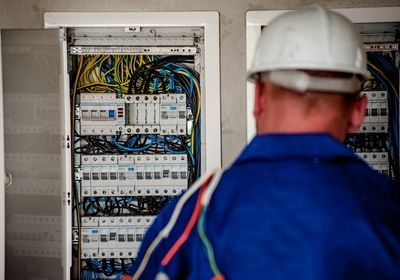
When you observe any of these warning signs, the best course of action is to contact a licensed and experienced professional. Attempting to diagnose or repair electrical panel issues yourself can be extremely dangerous due to the high voltage involved. A professional will conduct a thorough inspection, identify the root cause of the problem, and recommend the safest and most effective solution, whether it's a minor repair, a partial upgrade, or a full electrical panel upgrade. They are also equipped to handle emergency electrical repair situations, ensuring your property's safety and restoring power quickly when critical issues arise.
Recognizing the signs that your electrical panel needs attention is vital for the safety and efficiency of your property. From frequent breaker trips to burning smells, these indicators should not be overlooked. Addressing these concerns promptly with a professional consultation can safeguard your home or business, ensuring a reliable and safe electrical supply. To learn more about maintaining your electrical system's health, consider reaching out to a local electrical professional.