
As we approach 2026, keeping up with the latest best practices for outdoor electrical installations is crucial for ensuring safety, efficiency, and compliance with evolving standards. Whether you're upgrading your home's outdoor lighting, installing a new electrical system for your patio, or managing a commercial property, understanding and implementing these practices is essential.

Planning and Preparation
Before starting any outdoor electrical project, meticulous planning is key. Begin with a comprehensive assessment of your property's electrical needs and local code requirements. Consider factors such as weather conditions, soil type, and proximity to water sources. Obtain all necessary permits and approvals to avoid legal issues and ensure compliance with safety regulations. It's also wise to consult with qualified electrical contractors to review your plans and provide expert guidance.
Material Selection
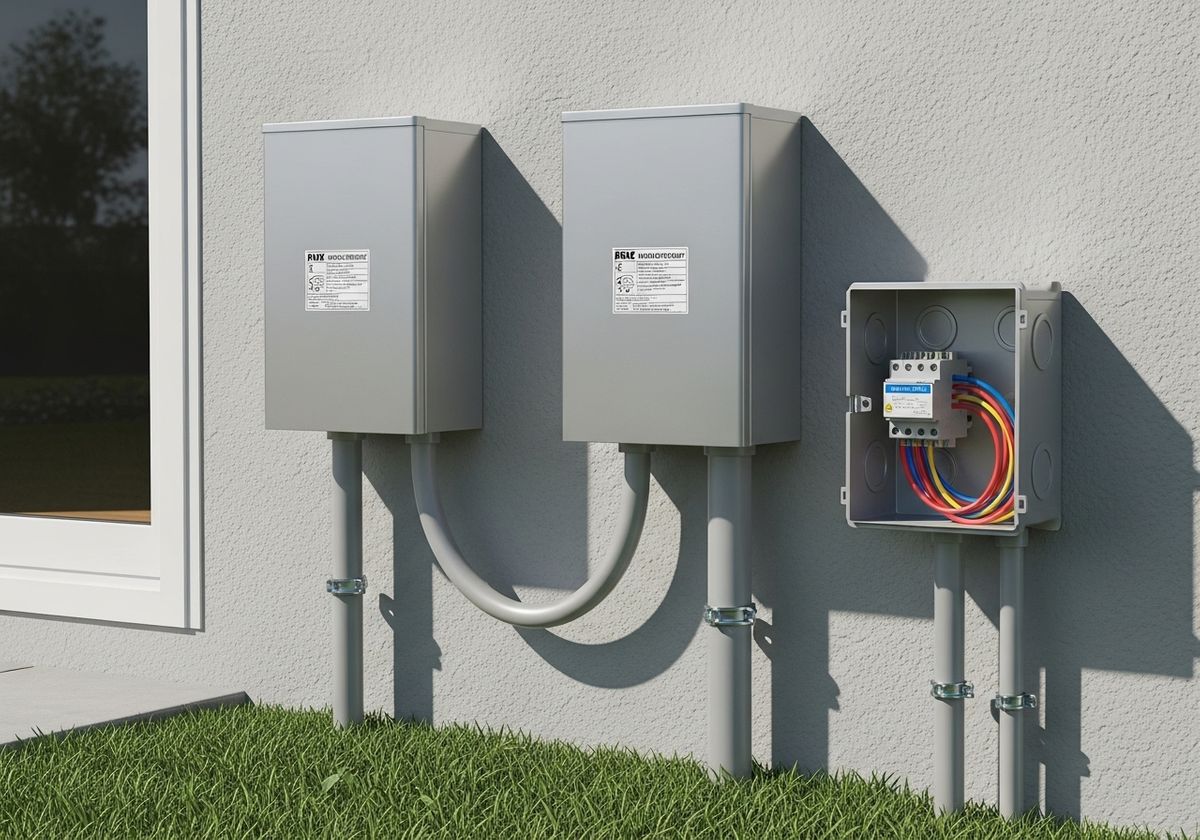
Choosing the right materials is crucial for the longevity and safety of your outdoor electrical installations. Opt for weather-resistant electrical boxes, conduits, and wiring specifically designed for outdoor use. These materials are engineered to withstand moisture, UV radiation, and extreme temperatures, preventing premature degradation and potential hazards. Stainless steel or PVC coated materials offer enhanced corrosion resistance, particularly in coastal areas or environments with high salinity.
Grounding and Bonding
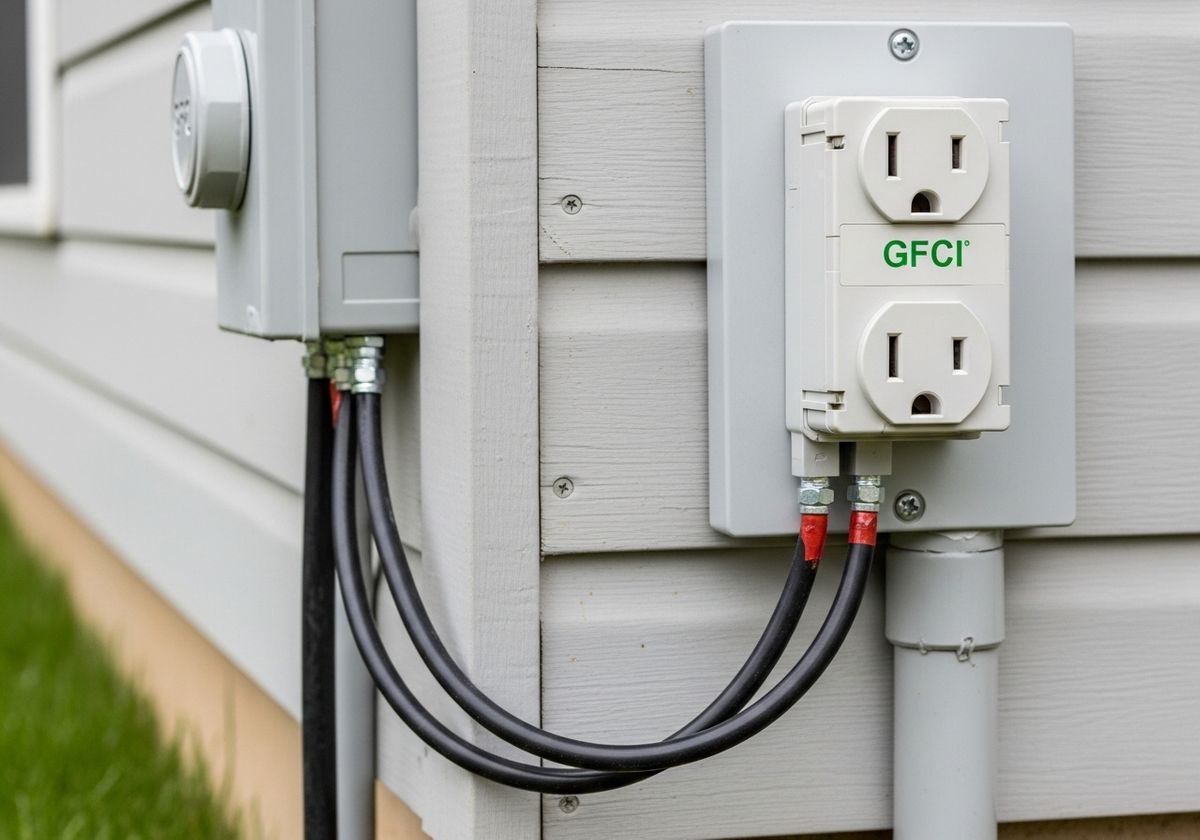
Proper grounding and bonding are essential for protecting against electrical shock and preventing equipment damage. Ensure that all outdoor electrical components are properly grounded to a common grounding electrode system. Use ground fault circuit interrupters (GFCIs) for all outdoor outlets and circuits to quickly cut off power in the event of a ground fault. Regularly inspect grounding connections for corrosion or damage and address any issues promptly.
Wiring and Connections
When running wiring outdoors, use appropriate methods to protect it from physical damage and environmental factors. Bury underground wiring at the correct depth according to local codes and use conduit for added protection. Seal all connections and enclosures to prevent moisture ingress, which can lead to corrosion and electrical faults. Use weatherproof connectors and fittings to ensure a secure and watertight seal.

Safety Measures
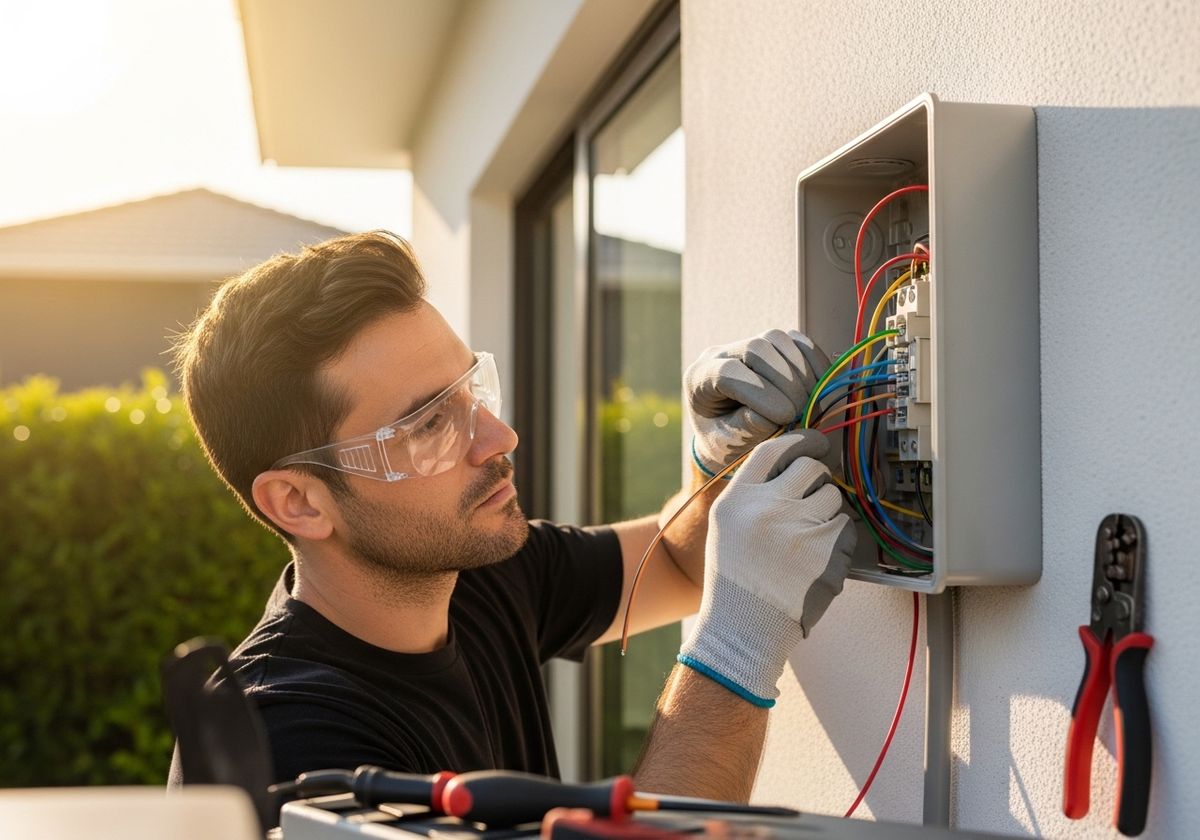
Safety should always be the top priority when working with electricity outdoors. Before starting any work, disconnect the power supply to the circuit you'll be working on and verify that it's de-energized using a reliable voltage tester. Wear appropriate personal protective equipment (PPE), including safety glasses, gloves, and footwear. Avoid working in wet conditions or during thunderstorms, and always follow lockout/tagout procedures to prevent accidental energization of the circuit.
Staying informed and proactive are key to maintaining safe and reliable outdoor electrical systems. By following these best practices, you can enhance the safety and longevity of your outdoor electrical installations, ensuring peace of mind for years to come.
As a homeowner or business owner in Western Massachusetts, ensuring your outdoor electrical systems are up to par is a must. Whether you need assistance with electrical repair, require a complete electrical panel upgrade, or are looking for a reliable residential electrician, remember that AJC Electric is here to help. Fully Licensed and Insured in MA, we are dedicated to delivering excellent and professional services. Contact us today to schedule a consultation or learn more about how we can assist with your electrical needs. And for more tips and insights, don't forget to check out our other blog posts!