

Ensuring the safety of your home or business is paramount, and understanding the role of modern electrical protection devices is a crucial step. When it comes to safeguarding against electrical hazards, two common terms often arise: GFCI and AFCI. While both are designed to prevent dangers, they protect against different types of electrical faults. At AJC Electric, we believe in empowering our community with knowledge to maintain safe and efficient electrical systems.
Understanding Ground Fault Circuit Interrupters (GFCIs)
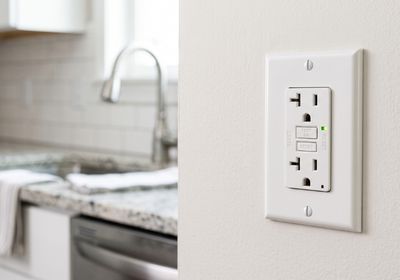
A Ground Fault Circuit Interrupter, or GFCI, is a safety device designed to protect people from severe electrical shocks by detecting ground faults. A ground fault occurs when electricity deviates from its intended path and finds a route to the ground through a person or an unintended conductor. GFCIs monitor the current flowing through a circuit. If there's an imbalance, indicating a leakage current (a ground fault), the GFCI quickly trips, cutting off power in a fraction of a second. This rapid response can prevent electrocution. You'll commonly find GFCI outlets required in areas where water is present, such as bathrooms, kitchens, laundry rooms, garages, and outdoor receptacles, making them essential for a residential electrician to install.
Unpacking Arc Fault Circuit Interrupters (AFCIs)
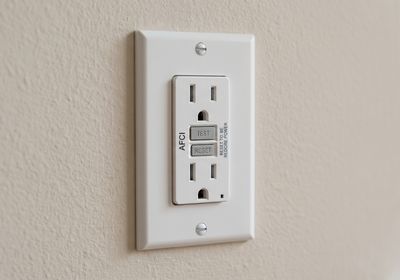
On the other hand, an Arc Fault Circuit Interrupter, or AFCI, is a circuit breaker designed to prevent fires caused by dangerous electrical arcs. An arc fault is a high-power discharge of electricity between two conductors, often resulting from damaged wires, loose connections, or frayed insulation. These arcs can generate significant heat, easily igniting nearby combustible materials like wood or insulation. AFCIs detect the distinct waveform characteristics of these dangerous arc faults and trip the circuit before a fire can start. They are typically required in areas where people sleep or live, such as bedrooms, living rooms, and dining rooms, offering a critical layer of fire protection throughout your home.
Key Differences and Why Both Are Important
The fundamental difference lies in what they protect against. GFCIs primarily guard against shock by detecting current leakage to the ground, while AFCIs primarily prevent fires by detecting dangerous electrical arcs. Think of it this way: a GFCI protects people from getting shocked, especially near water, and an AFCI protects your home from electrical fires, often due to faulty wiring within walls or appliances. Both are vital components of a safe modern electrical system. Older homes, especially, may lack these crucial protections, making upgrades a wise investment for enhanced safety.
When to Consider Upgrading Your Electrical System
If your home or commercial building was constructed before current electrical codes, it might not have adequate GFCI and AFCI protection. This is particularly true for older properties in Western Massachusetts. Common situations that call for an inspection and potential upgrade include renovating a room, experiencing frequent tripped breakers, or noticing flickering lights. An electrical panel upgrade is often an opportune time to incorporate these modern safety devices throughout your property. Whether you need a residential electrician for home safety or a commercial electrician to ensure your business meets code, addressing these potential hazards proactively can save lives and prevent property damage, reducing the need for an emergency electrical repair down the line.
Ensuring your electrical system is equipped with the right protective devices like GFCIs and AFCIs is not just about meeting code; it's about investing in the safety and peace of mind for your family or employees. Understanding the distinct roles these devices play can help you make informed decisions about your property's electrical health. For expert guidance and professional installation of these critical safety features, we encourage you to learn more about how AJC Electric can enhance the reliability and safety of your electrical infrastructure.